An online talk for younger students in my university’s Computer Science and Technology Innovation Society (Experience Sharing - CS, College, and more).
What I covered
Where computing can take you. AI, data analysis, web and mobile development, low-code, IoT, with a starter resource for each.
The basics. Write lots of code (LeetCode, the HDU online judge); learn your tools, like Git; pick up something from other fields, maths and art included; use what you know to solve real problems.
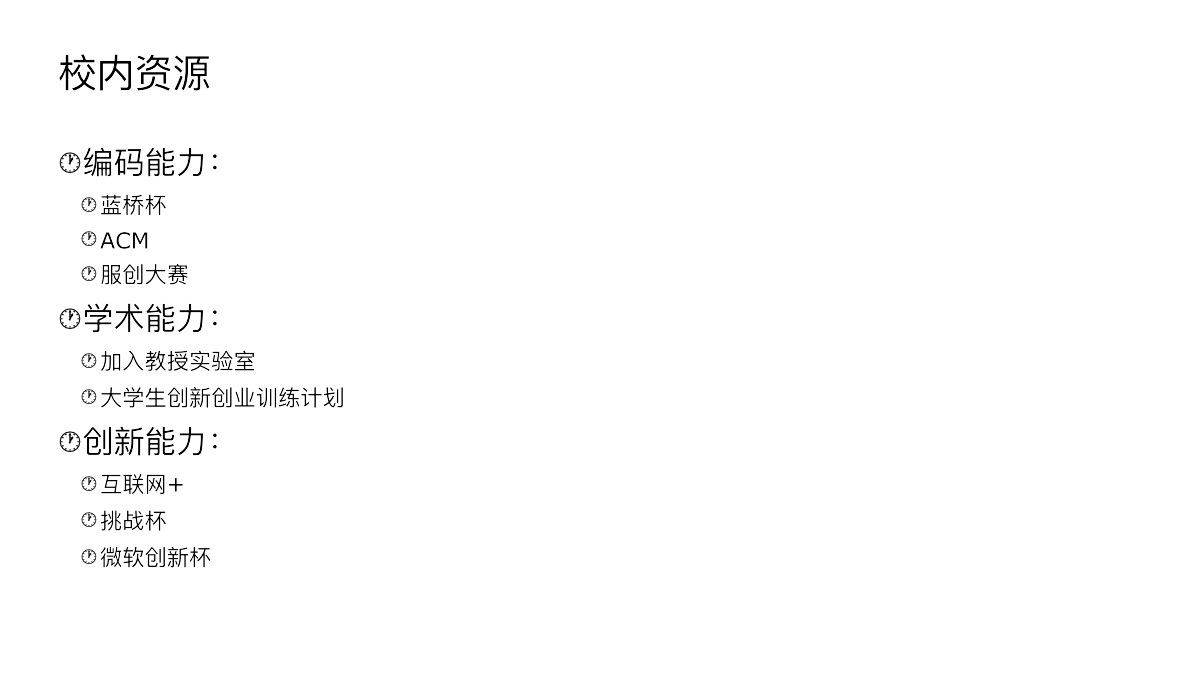
Opportunities on campus. For coding: the Lanqiao Cup, ACM, the service outsourcing contest. For research: join a professor’s lab, do an innovation project. For building things: Internet+, the Challenge Cup, Imagine Cup.
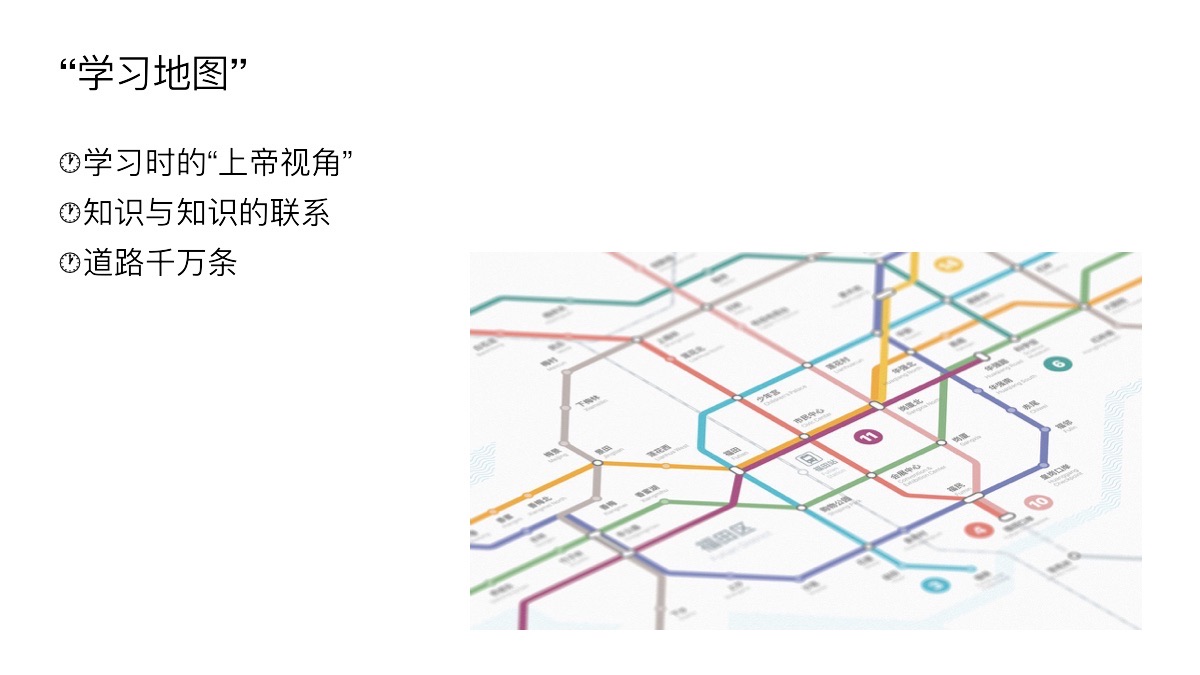
How to learn. First draw a “learning map”, so you have a bird’s-eye view of how knowledge connects; there are many roads.
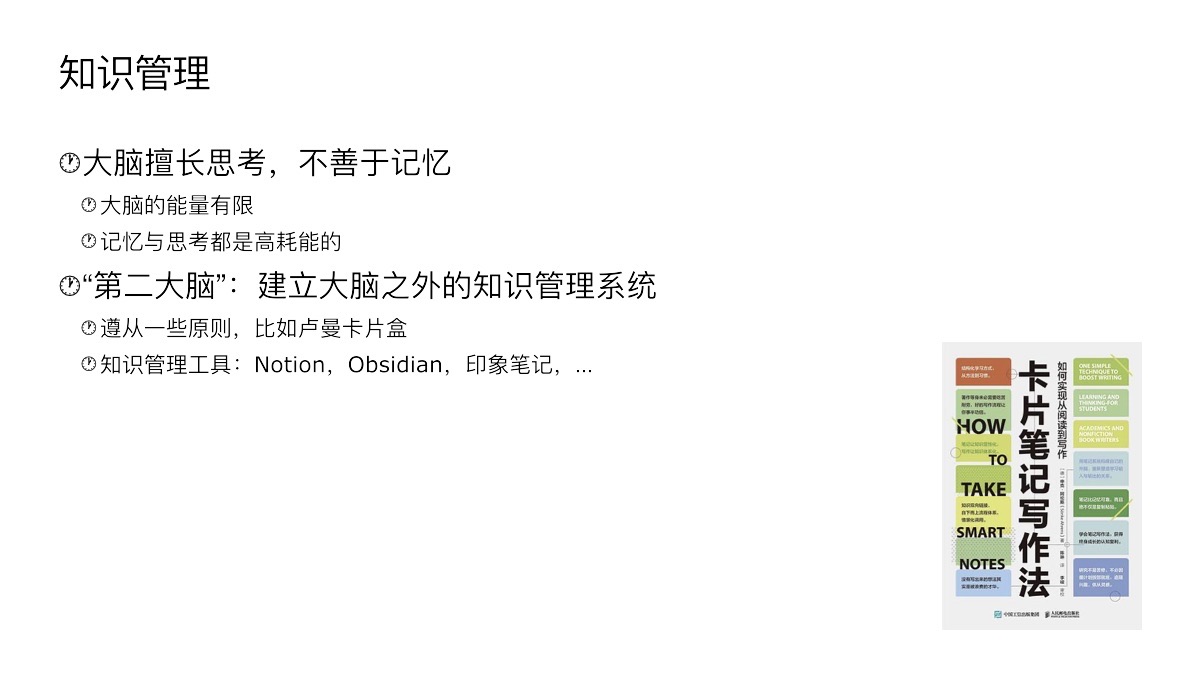
Then build a “second brain”: the brain is good at thinking but bad at remembering, and both use a lot of energy, so keep a knowledge system outside your head, like the slip-box method, with tools such as Notion or Obsidian.
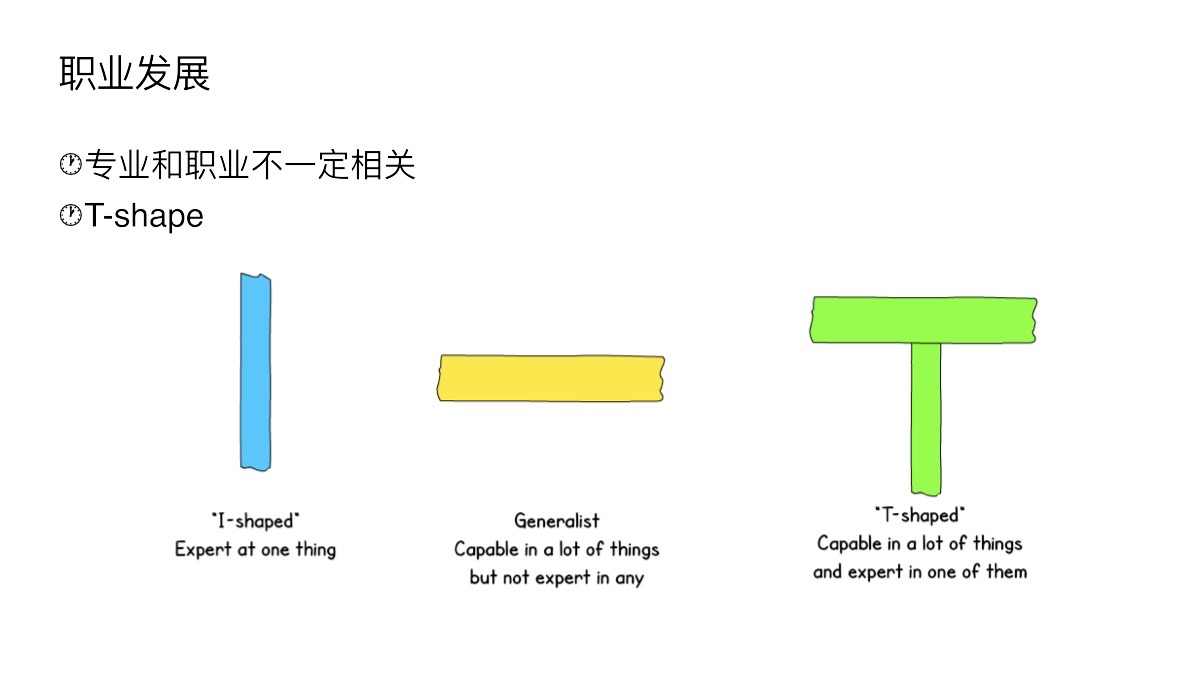
About life. Before grad school, ask why: a love of research, the degree, or a job? Your major and your career don’t have to match; you can be “T-shaped”, knowing a little about many things and a lot about one. And mental health: make friends, connect with people, and use the campus counselling service.
I finished by introducing the Microsoft Learn Student Ambassadors program and took questions. Teams recorded about 37 minutes.
Looking back, a lot of what’s in these slides, like knowledge management and a “second brain”, later became my WenweiOS.